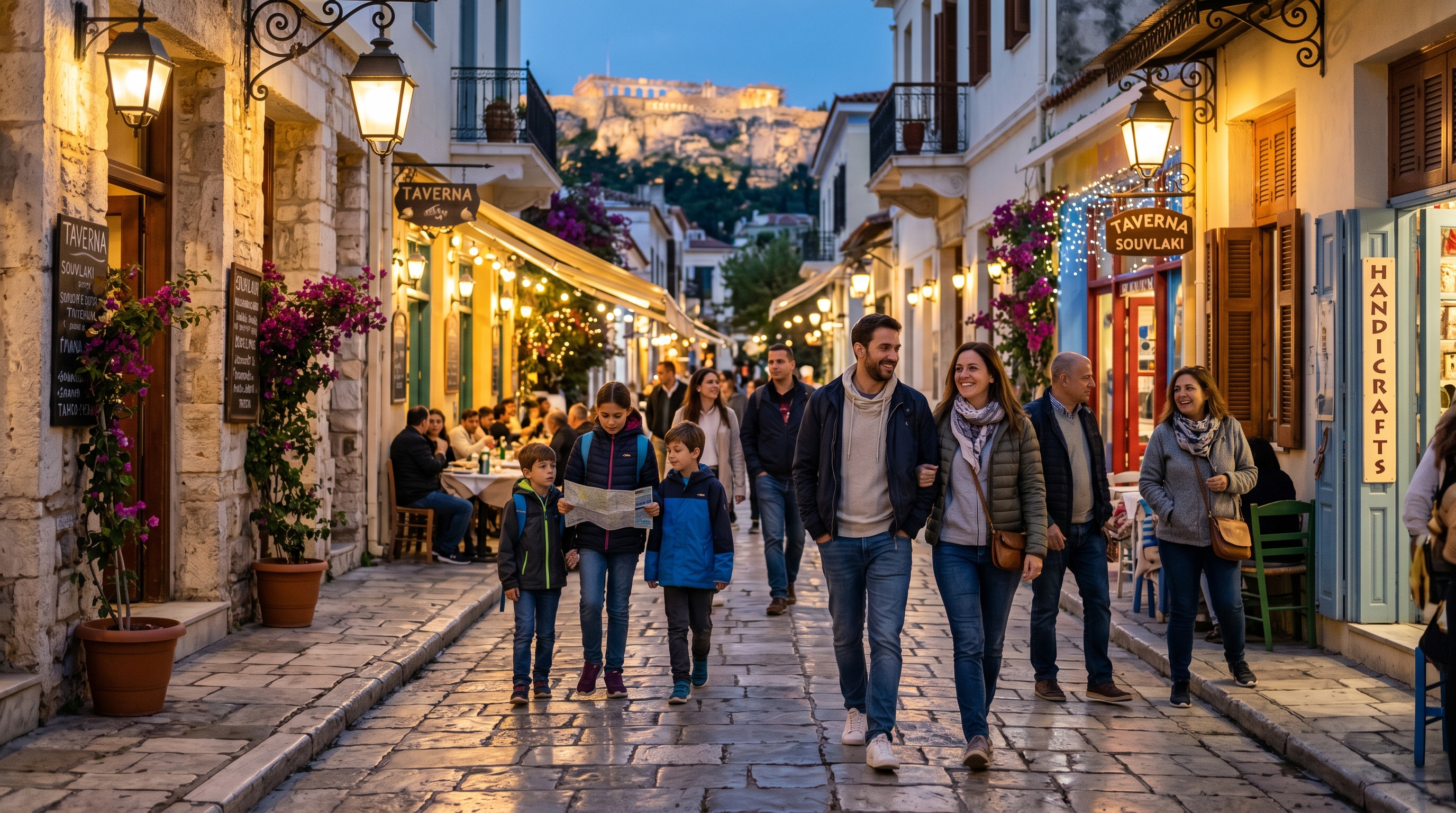
Is Athens safe for tourists in 2026?
Quick Answer
Yes, Athens is generally safe for tourists and is comparable to other major European capitals in terms of visitor safety. The main concerns are petty theft -- especially pickpocketing in crowded areas like Monastiraki market and the metro -- and occasional aggressive vendors near major tourist sites. Violent crime specifically targeting tourists is rare and not a meaningful concern for the average visitor.
Athens has improved significantly as a tourist destination over the past decade, and the areas where most visitors spend their time (Plaka, Monastiraki, Syntagma, Koukaki, Thissio) are safe, well-lit, and busy with both tourists and locals at all hours.
Petty Theft and Pickpocketing
Pickpocketing is the primary risk for tourists in Athens, concentrated in predictable locations: the crowded stalls of Monastiraki flea market (especially on Sundays), the Acropolis entrance queues, the metro Line 1 (the green line running from Kifissia to Piraeus, which passes through the tourist centre), and Syntagma Square. The technique is distraction-based -- a group creates a commotion while one person targets pockets or open bags. Use a money belt or an inside-zip bag for passports and larger amounts of cash. Keep your phone in a front pocket or a bag worn across the chest. Do not carry all your cards and cash together.
Areas to Be Aware Of
Omonia Square and the streets immediately around it have a rougher character than the rest of central Athens, particularly late at night -- it is not a no-go zone but it is not where tourists typically spend time, and the surrounding streets (Patision, Stadiou west of Syntagma) are fine during the day. Exarchia, the neighbourhood northeast of Omonia known for its anarchist political culture, has a reputation that exceeds its actual danger for tourists passing through -- street art, alternative bars, and a lively independent food scene coexist with occasional political gatherings; most visitors find it interesting rather than threatening during the day. These two areas are outliers -- the vast majority of tourist Athens feels completely comfortable.
Safe Areas for Tourists
Plaka (the historic old town below the Acropolis), Koukaki (the residential neighbourhood south of the Acropolis Museum), Monastiraki (busy day and night, fine for tourists), Syntagma (the main square, police presence is high), Thissio (quiet, upscale, excellent evening dining), Psirri (slightly edgier bohemian feel but safe and full of restaurants), and Kolonaki (the upmarket neighbourhood on the slopes of Lycabettus) are all comfortable for tourists at any hour. Street lighting is good in all these areas and foot traffic continues until midnight or later in summer.
Practical Safety Tips
Use a money belt or concealed pouch for your passport and main cash. Carry a separate small amount of daily spending money in an accessible pocket to avoid revealing your main wallet. Be especially alert in crowds -- the moment your attention is drawn to something unusual, check your pockets. Official taxis in Athens are metered and reliable (white cars with a roof sign); avoid unlicensed touts at the airport or tourist sites who approach you rather than waiting at a rank. If someone approaches you with a 'free gift' or insists on putting a bracelet on your wrist, say no firmly and keep walking -- this is a scam for a subsequent demand for payment.
Skip the queue at the Acropolis
Book skip-the-line tickets or guided tours — instant confirmation, free cancellation.
Check availability & prices →